

Finding people who understand recovery can take time. Family and friends may care deeply while still not knowing what the experience feels like. Peer support offers a different kind of connection: practical encouragement from people with lived experience. It can sit alongside the medical care you already receive.
Understanding the different kinds of support
A peer recovery worker draws on lived experience to support another person’s recovery. Their role may include listening, helping identify goals, and connecting someone with resources. A mutual-support group brings people together to share experiences and encouragement. Programs differ in their approach, structure, and who facilitates them.
Group therapy is different: it is treatment led by a qualified mental health professional. Knowing which type of service you are considering helps you understand what to expect. Peer support can complement clinical treatment, but peers should not diagnose you, prescribe medication, or direct changes to your treatment.
- Ask who leads the group and whether it is peer support, mutual support, or clinical therapy.
- Consider whether you want an individual peer connection, a group setting, or both.
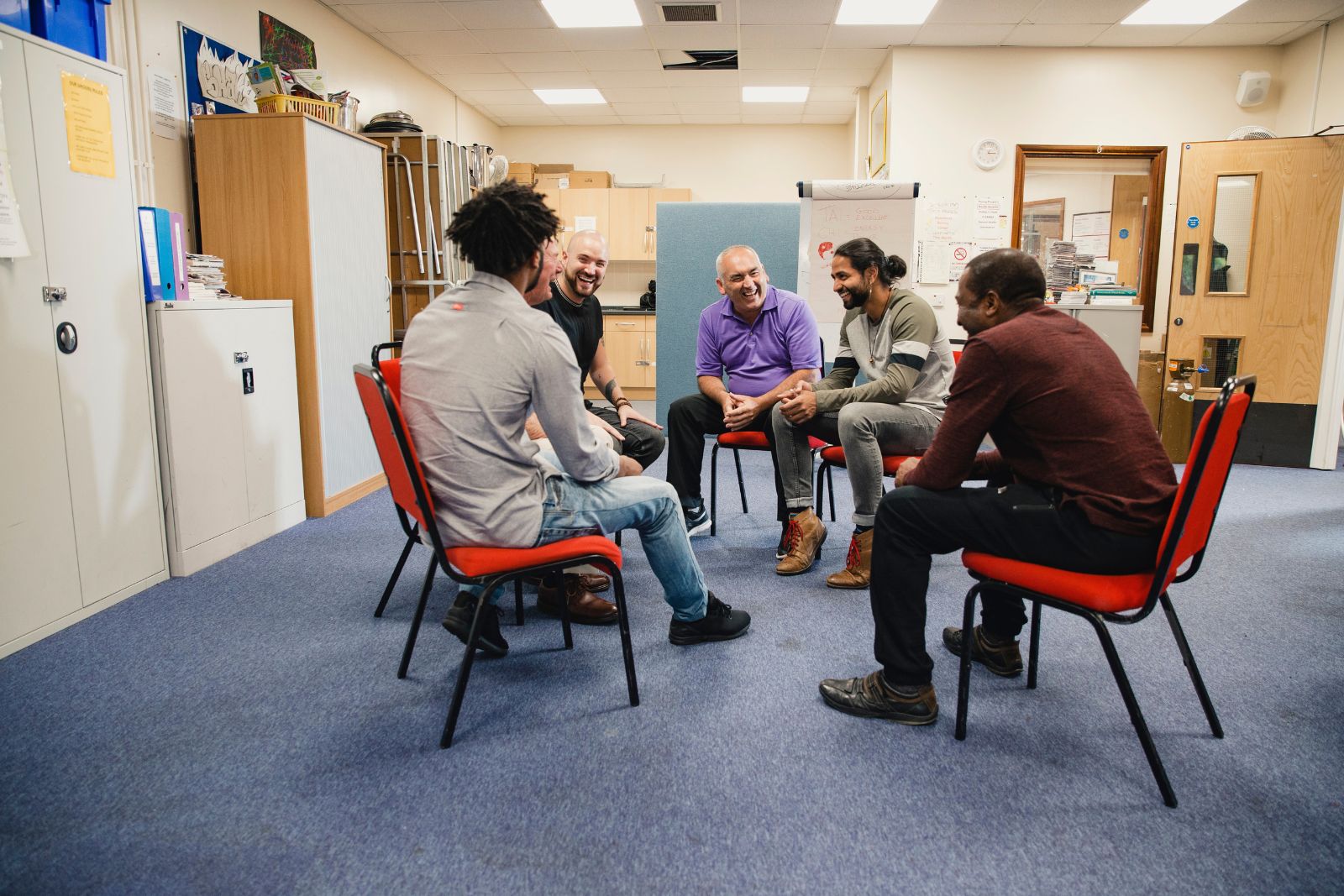
Choosing a setting that respects your recovery
A useful starting point is whether you feel respected and able to participate without pressure. Ask about the group’s approach, meeting format, and expectations. If you take prescribed buprenorphine or another medication for opioid use disorder, ask whether the setting supports people receiving that treatment.
Recovery does not look the same for everyone. Some people prefer a spiritual approach, while others want a secular setting or a group focused on particular experiences. Online and in-person options may differ in accessibility. Trying a different group is reasonable if the first one does not fit your needs.
- Ask about meeting costs, accessibility, and whether registration is required.
- Look for a setting that respects your prescribed treatment and lets you set appropriate personal boundaries.

What to ask before your first meeting
Contact the organizer and ask what a newcomer should expect. Find out whether you can listen without sharing, how introductions work, and how long the meeting lasts. You can decide in advance how much personal information you feel comfortable discussing.
Ask about privacy practices rather than assuming every setting offers the same confidentiality protections as a clinic. For online meetings, check whether cameras are optional, whether recording is allowed, and how participants protect privacy. Choose a private location and consider headphones if others are nearby.
- Try: “I am new to this. Can I attend and listen before deciding whether to share?”
- Afterward, consider whether you felt heard, respected, and comfortable returning.

Keeping peer support connected to your care
Ask your treatment provider about community resources or use SAMHSA’s support-group directory to explore options. You can tell your care team what kind of support you are seeking: conversation with someone who understands, help finding resources, or a regular place to connect with others.
Continue your medical appointments and prescribed treatment. Bring medication questions, changes in cravings, or worsening mental health symptoms to a qualified provider. Peer support can offer encouragement between visits, but it should not replace emergency help or professional assessment when those are needed.
- Choose one realistic next step, such as contacting an organizer or attending a meeting.
- Let your provider know if the group raises concerns about medication or gives advice that conflicts with your care plan.

Common questions
Do I have to share my story at the first meeting?
Participation expectations vary. Ask the organizer whether newcomers can attend and listen before sharing.
Can peer support replace buprenorphine treatment?
Peer support is an additional source of connection. Medication decisions belong with your prescriber; do not change treatment based on group advice.
Sources and further reading
Ready to Get Started?
WBK Healthcare Services offers buprenorphine-based treatment for opioid use disorder with telemedicine and in-office options. Contact the team to ask about an appointment and discuss your recovery care needs.
Call (412) 314-1822.
General education only; this article does not diagnose a condition or replace personalized medical care. Ask a qualified healthcare professional about your symptoms and treatment.