Naloxone is a medication used to reverse an opioid overdose. Learning about it before an emergency gives people in recovery, family members, and friends a chance to prepare. Knowing where it is kept and how to follow its instructions can help someone act quickly when every minute matters.
What naloxone does and does not do
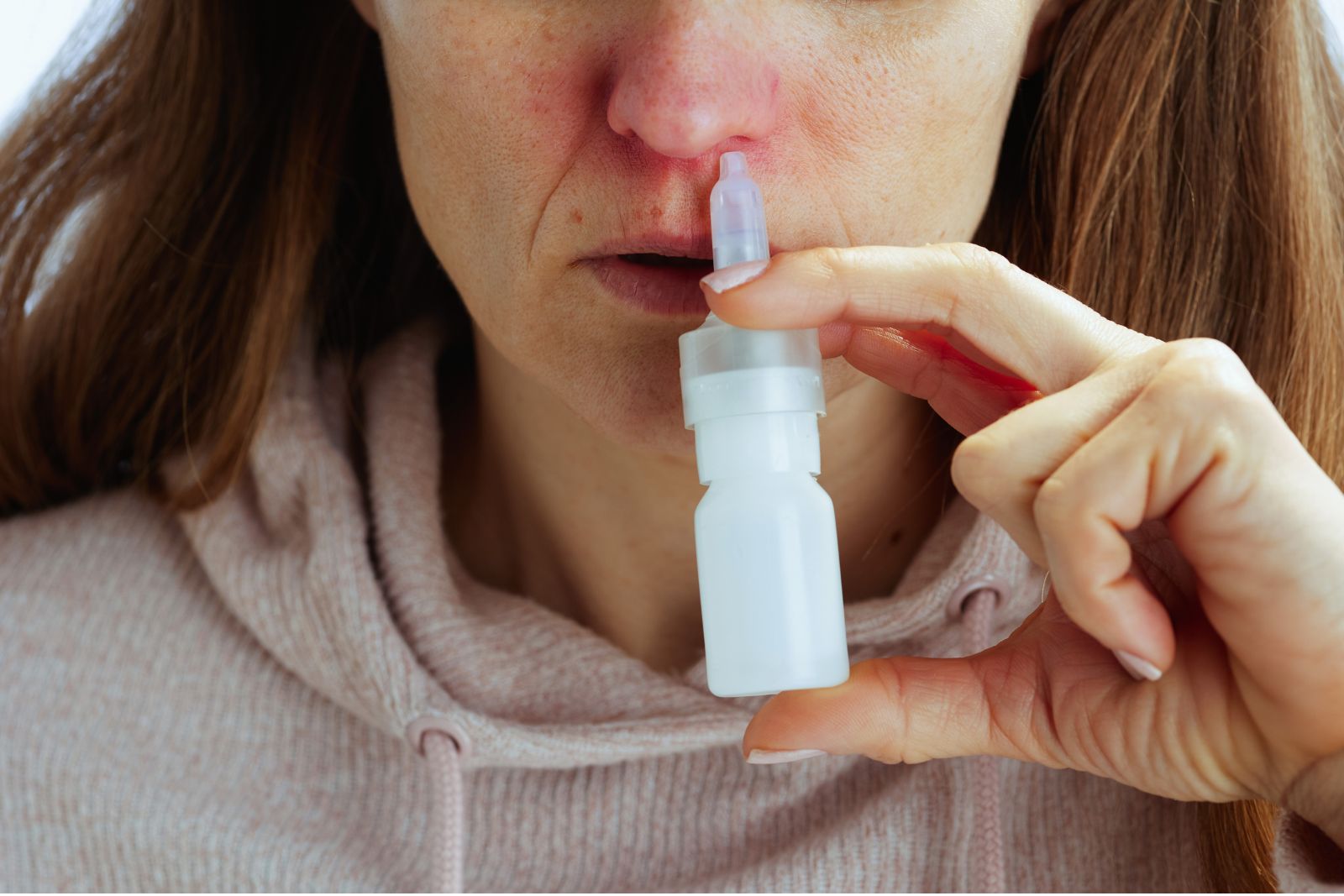
Opioids can dangerously slow or stop breathing during an overdose. Naloxone blocks opioid effects and can restore breathing. It is available in nasal spray and injectable forms; the instructions depend on the product. Some nasal sprays can be purchased over the counter in the United States.
Naloxone is an emergency medication. Its effect can wear off before the opioid does, so emergency care is still needed even if the person wakes up. It does not provide ongoing treatment for opioid use disorder. If a person has taken several substances, naloxone may reverse the opioid component, but other life-threatening effects may remain.
- Learn the instructions for the exact product you keep, rather than assuming every device works the same way.
- Having naloxone available is a preparedness step that can accompany ongoing recovery care.
Recognizing a suspected opioid overdose
Warning signs can include being unable to wake the person, very slow or absent breathing, choking or gurgling sounds, and discolored lips or nails. Very small pupils may also be present. Do not wait for every sign to appear before seeking emergency help.
A person who cannot be awakened and is making unusual snoring sounds may be overdosing rather than simply sleeping. If you suspect an opioid overdose, treat it as an emergency. You do not need to know exactly which drug was taken to call 911 and give available naloxone.
- Tell the dispatcher the person’s location, whether they are breathing, and that an overdose is suspected.
- If others are nearby, ask one person to call while another gets naloxone so help is not delayed.
Responding while emergency help is on the way
Give naloxone according to its instructions and call 911 immediately. Follow the dispatcher’s directions for rescue breathing or CPR if the person is not breathing normally. If you are trained, use those skills as directed. Do not leave the person alone.
For commonly used naloxone nasal sprays, another dose with a new device may be needed after 2 to 3 minutes if the person does not respond, or if breathing slows again. Follow your product’s instructions. If the person is breathing normally but remains unconscious, place them on their side to reduce the risk of choking and keep monitoring breathing until help arrives.
- Do not assume the emergency is over because the person wakes up; breathing problems can return.
- Stay with the person, explain what happened to responders, and tell them when naloxone was given.
Making naloxone part of a practical safety plan
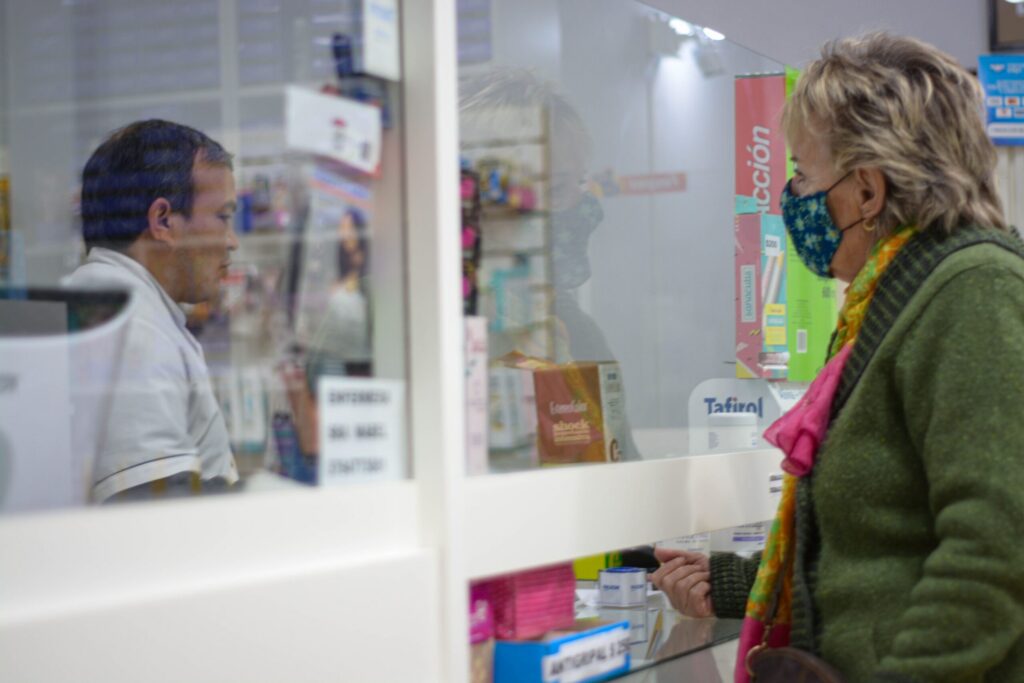
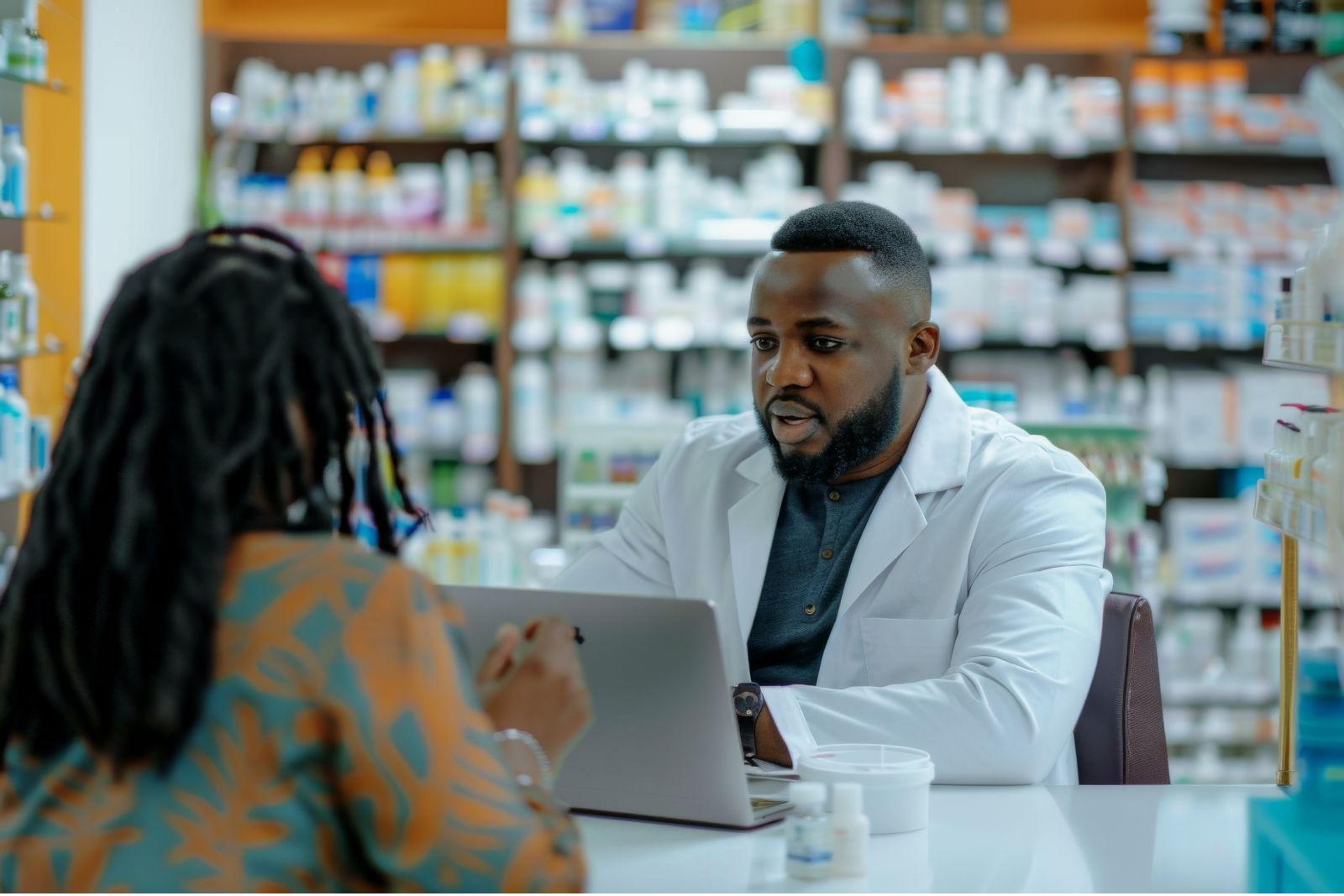
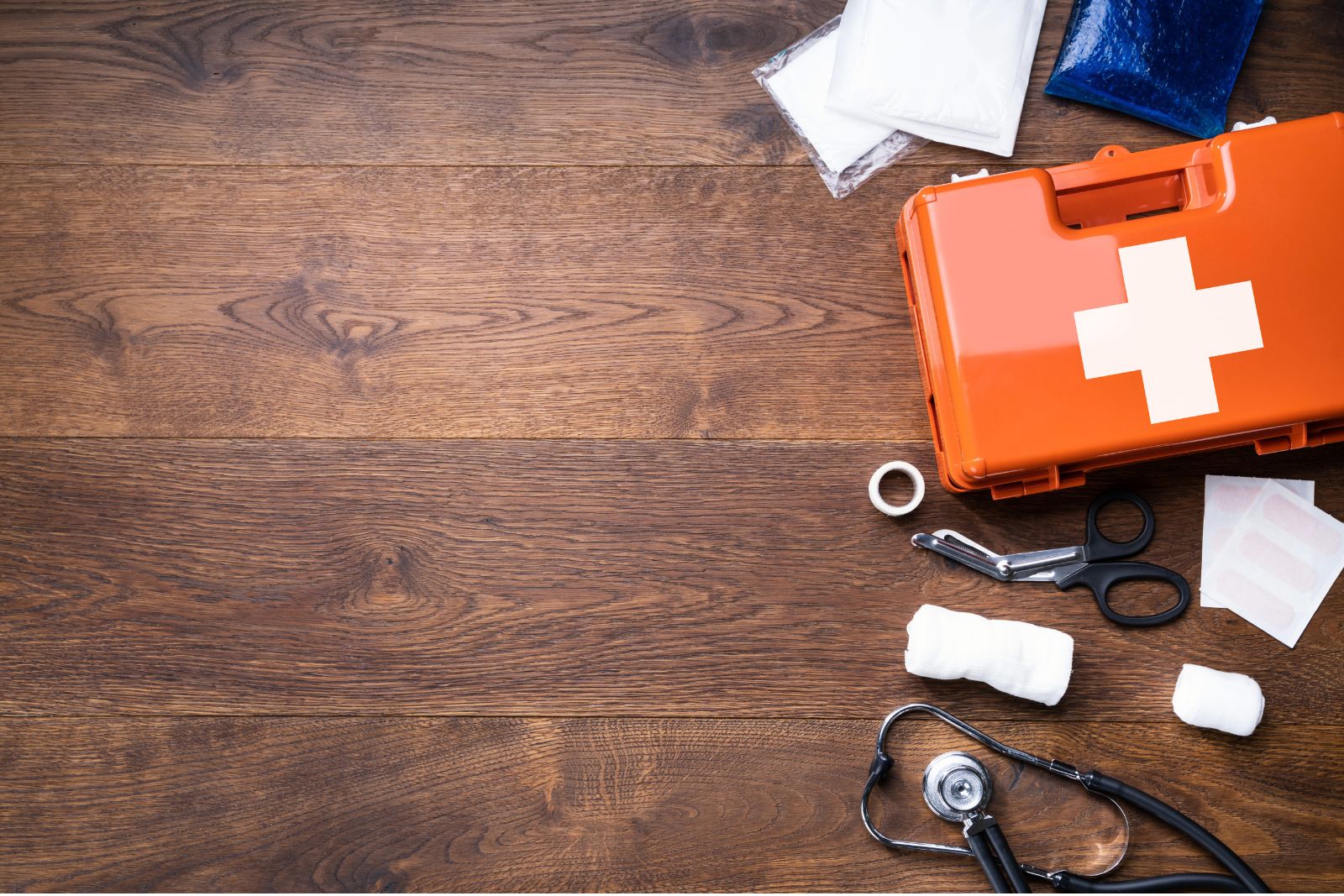
Ask a pharmacist, healthcare provider, or local health department about obtaining naloxone and learning how to use it. Availability and cost vary. Some community programs offer it at no cost or a reduced cost. Check the expiration date and follow the package directions for storage.
Tell trusted people where the kit is kept and make sure they can access it quickly. Review the instructions together before an emergency. Also ask your recovery provider about ongoing overdose prevention and treatment. A naloxone kit and a recovery care plan serve different purposes, and both can be part of a conversation about safety.
- Replace expired or used devices and avoid storing the kit where temperature extremes can damage it.
- If a kit is unavailable during a suspected overdose, call 911 immediately and follow the dispatcher’s instructions.
Common questions
Is the naloxone in Suboxone a substitute for an emergency naloxone kit?
No. Suboxone is prescribed for opioid use disorder and is not an overdose rescue product. Ask a pharmacist or provider about a separate emergency naloxone product.
Do I still need to call 911 if naloxone works?
Yes. Naloxone can wear off, and breathing problems may return. The person needs emergency medical assessment even if they seem better.
Sources and further reading
Ready to Get Started?
WBK Healthcare Services offers buprenorphine-based treatment for opioid use disorder with telemedicine and in-office options. Contact the team to ask about an appointment and discuss your recovery care needs.
Call (412) 314-1822.
General education only; this article does not diagnose a condition or replace personalized medical care. For a suspected overdose, call 911 immediately.